



Plan would bar local governments from taxing streaming services like Netflix and Disney+
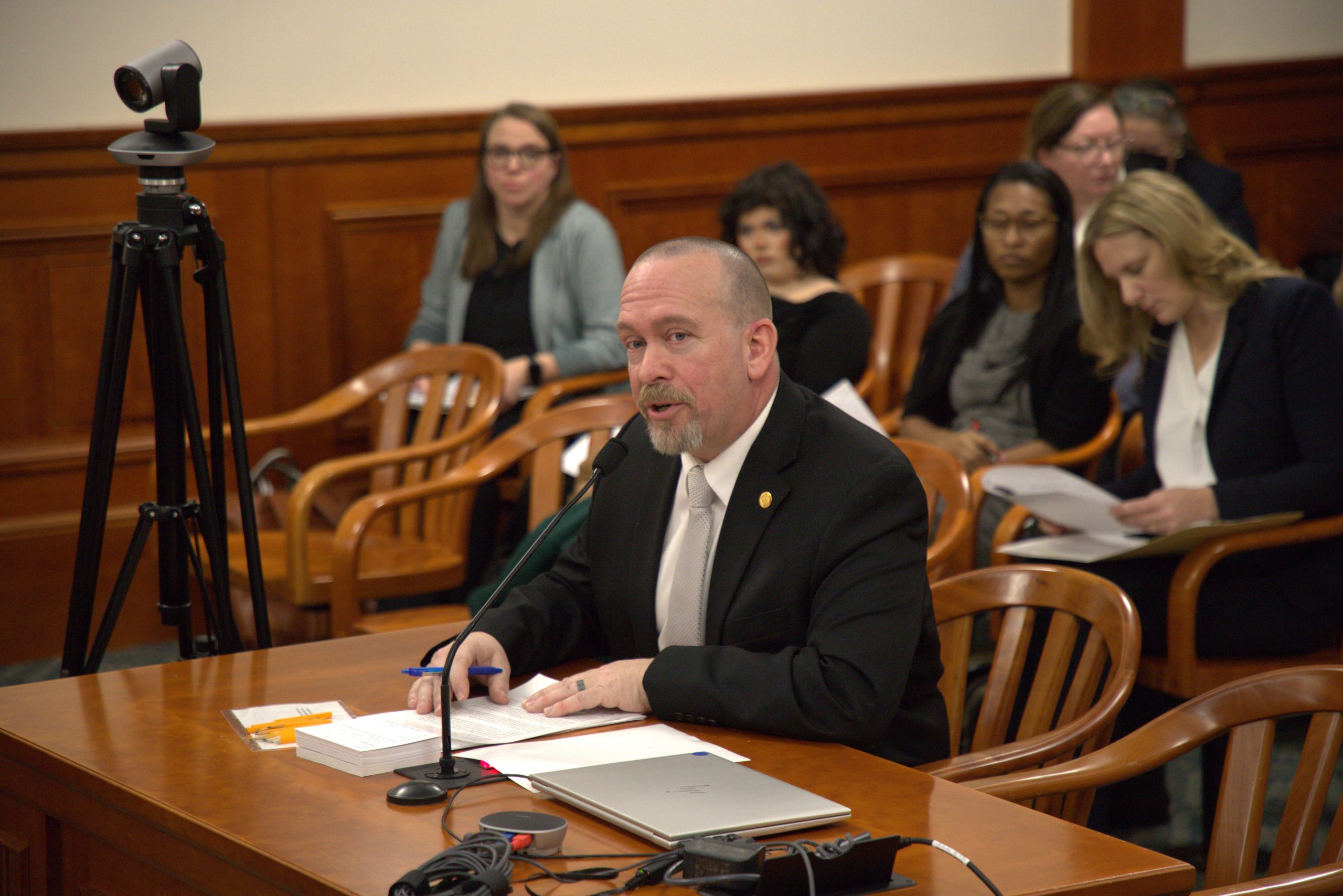
State Rep. Mike Harris today is scheduled to speak before the House Government Operations Committee regarding his plan to prevent local governments from imposing taxes on streaming services like Netflix, Disney+, Peacock, and more.
Local governments currently tax cable companies who use rights-of-way areas to install physical infrastructure to extend cable services to the home. The cable companies are then allowed to directly charge customers for the tax imposed by the local municipality. As people turn away from traditional cable in favor of online streaming platforms, municipalities are left with less tax revenue from the societal shift. In response, governments have begun exploring a convoluted way to tax streaming service customers, even though there is no physical infrastructure required to utilize the services.
“A tax on infrastructure that literally does not exist is exactly the sort of government overreach I’m glad to stand up against,” said Harris, R-Waterford. “It’s true, local governments are losing tax revenue from the decreasing utilization of cable television. What’s unacceptable is allowing those same local governments to manufacture a ridiculous claim that they have the authority to tax streaming services to make up the revenue. Local officials are going to have to come up with a better idea than taxing people who just want to chill and watch Netflix.”
“Streaming services require no physical infrastructure to use, meaning there is no impact on the local government. The only reason governments were permitted to impose these taxes on cable companies was because of the tangible impact on local infrastructure that occurred when companies had to run physical lines through right-of-way areas into homes. No such infrastructure is required for streaming services.”
Harris said that local governments imposing this sort of tax on streaming services would almost certainly lead to higher costs for everyday people.
“A direct tax on streaming services would be immediately passed on to everyday people,” Harris said. “These proposals from local governments are tone-deaf at best. Families are facing extraordinarily high costs, which causes understandably high stress. Taxing Bluey and Grey’s Anatomy is basically cruel and unusual punishment for people just trying to get through the day. Our residents have been through enough, and yet we continue to ask: is there’s anything big government isn’t willing to tax?”
Opponents of the legislation say that streaming services consumers still utilize physical infrastructure through fiber optic cables and other physical connectivity equipment – often installed through a right-of-way – in order to provide internet services to the home. However, there are already internet-based fees imposed on companies through the Michigan Metropolitan Extension Telecommunications Rights-of-Way (METRO).
“Consumers already pay municipal fees for the cost of internet through their monthly bills, allowing those same connectivity services to be taxed strictly based on the streaming service they have is the most blatant form of tax-based double dipping,” Harris said.
The House Government Operations Committee is scheduled to discuss Harris’ plan today at 9 a.m.
###




© 2009 - 2026 Michigan House Republicans. All Rights Reserved.
This site is protected by reCAPTCHA and the Google Privacy Policy and Terms of Service apply.